When the Clock Strikes Two: The Hidden Cost of PPE Supply Chains That Clock Out
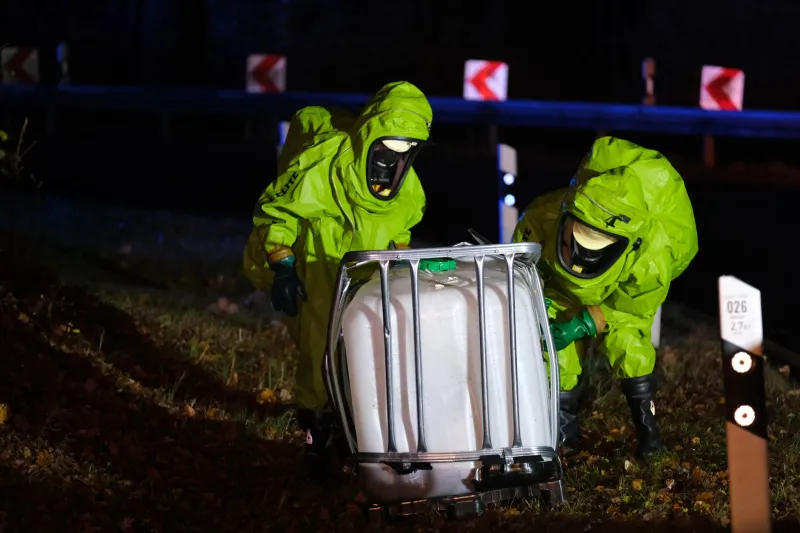
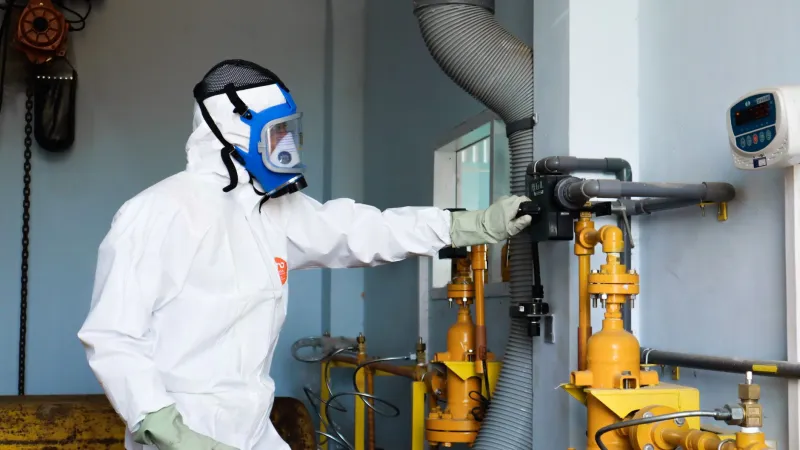
At 2:17 AM on a Tuesday, a maintenance crew at a chemical processing facility in the Gulf Coast discovered a slow leak in a solvent transfer line. The supervisor on duty knew the protocol. He reached for the phone to request additional respiratory protection and chemical-resistant coveralls for the response team. What followed was not a coordinated emergency response — it was a series of unanswered calls, automated voicemail systems, and a frantic search through an on-site inventory that had not been restocked after the previous quarter's drill.
The incident was contained. No one was seriously injured. But the near-miss exposed something that far too many facilities quietly acknowledge and rarely address: their PPE supply chain operates on a schedule that emergencies do not.
The Myth of the Predictable Emergency
There is a persistent assumption embedded in traditional procurement models — that critical safety needs can be anticipated, ordered in advance, and managed within the bounds of a standard workweek. For routine operations, this logic holds. Scheduled maintenance, planned shutdowns, and recurring compliance needs fit neatly into purchase orders and delivery windows.
Emergencies, by definition, do not.
According to data from the Occupational Safety and Health Administration, a significant portion of serious workplace incidents occur during off-peak hours, including overnight shifts, weekends, and holiday periods — precisely when staffing levels are reduced, decision-making authority is compressed, and external support is hardest to reach. The same pattern holds in emergency response and healthcare settings, where surge demands for protective equipment can materialize within hours of a developing situation.
The question is not whether an organization will face an off-hours safety event. The question is whether its supply chain will be capable of responding when that moment arrives.
What Happens When the Supplier Goes Dark
The operational consequences of inaccessible PPE during a crisis are both immediate and compounding. In the short term, facilities face a dangerous gap between the hazard present and the protection available. Workers may be asked to operate with inadequate equipment, response timelines extend, and incident scope can widen before proper containment is achieved.
The longer-term consequences are equally significant. OSHA citations resulting from inadequate PPE provision carry financial penalties that can reach tens of thousands of dollars per violation. Legal liability exposure increases when documentation reveals that appropriate equipment was unavailable at the time of an incident. Insurance carriers are increasingly scrutinizing emergency response protocols during policy renewals, and a demonstrated gap in after-hours supply capability can directly affect coverage terms.
Beyond the regulatory and financial dimensions, there is a workforce dimension that is often underestimated. Employees who experience or witness inadequate emergency preparedness do not quickly forget it. Retention, morale, and the organization's ability to attract skilled workers in safety-sensitive roles are all affected by how visible and credible its commitment to protection appears under pressure.
The Anatomy of a Responsive Supply Chain
Organizations that have successfully addressed off-hours PPE accessibility share several structural characteristics that distinguish them from facilities still operating on traditional procurement models.
Tiered inventory with clear trigger protocols. Rather than maintaining a single general stockpile, resilient facilities organize their on-site PPE inventory into operational layers. A baseline inventory covers day-to-day needs. A secondary emergency reserve — stored separately and inventoried on its own cycle — is designated exclusively for crisis response. Clear written protocols define who has authority to access the reserve, under what conditions, and what the restocking process looks like afterward.
Supplier relationships with verified after-hours capability. Not all suppliers who claim 24/7 availability can actually deliver on that promise. Industry leaders distinguish between suppliers who offer an emergency contact number and those who have demonstrated, through documented performance, the ability to fulfill urgent orders outside standard business hours. This distinction matters enormously at 2 AM. Vetting supplier responsiveness before a crisis — including test inquiries and service-level agreement review — is a practice that separates prepared organizations from reactive ones.
Pre-negotiated emergency fulfillment agreements. Some facilities have moved beyond standard purchase agreements to establish dedicated emergency supply contracts with their primary PPE vendors. These arrangements specify response timeframes, pre-approved product categories, pricing structures for expedited orders, and escalation contacts at the supplier level. When an emergency occurs, the procurement process has already been completed — only the execution remains.
Digital inventory visibility and automated alerts. Modern inventory management platforms can flag when emergency reserve stock falls below defined thresholds and generate automatic reorder notifications. This removes the human dependency on someone remembering to check the stockroom before a weekend. Facilities that have integrated digital inventory tools into their safety management systems consistently report fewer gaps between what they believe they have on hand and what is actually available.
The Emergency Response Sector's Harder Lesson
For industrial facilities, off-hours PPE access is a serious operational risk. For emergency response organizations — fire departments, hazmat teams, disaster relief agencies — it is existential.
The 2020 and 2021 wildfire seasons in the western United States produced a widely documented pattern: response agencies arriving at staging areas to discover that PPE shipments had not arrived, that suppliers were unreachable outside business hours, and that mutual aid agreements had not accounted for simultaneous regional demand. The consequences played out in real time, with personnel making do with equipment that did not match the hazard profile they were entering.
These events accelerated a broader shift in how emergency management professionals think about supply chain resilience. The emphasis has moved from reactive procurement — ordering when the need becomes apparent — to proactive positioning, where equipment is pre-staged, supplier relationships are stress-tested in advance, and communication protocols are established long before any incident occurs.
Industrial facilities can apply the same discipline. The emergency response sector's hard-won lessons are directly transferable to any operation where a sudden, unplanned event can outpace a standard procurement cycle.
Building the Call That Always Gets Answered
The name of this publication is not accidental. The concept of a first call — one that reaches someone capable of responding, at any hour, with the equipment that is actually needed — represents the standard that safety-critical organizations should hold their suppliers to, and themselves.
Achieving that standard requires deliberate investment. It means auditing current supplier agreements for after-hours provisions. It means conducting tabletop exercises that simulate off-hours emergencies and expose gaps in the procurement chain. It means establishing relationships with multiple qualified suppliers to reduce single-point-of-failure risk. And it means ensuring that on-site staff at every shift level understand where emergency reserves are stored and have the authority to access them without waiting for approval that may not come quickly enough.
Emergency preparedness is not a business-hours function. The organizations that internalize this reality — and build their supply chains accordingly — are the ones whose workers go home safely, whose operations resume quickly, and whose reputations for responsible management remain intact when the circumstances are at their most demanding.
The first call matters. Make sure someone answers it.