Before the Crisis Arrives: Building an Emergency PPE Inventory That Holds Up Under Pressure
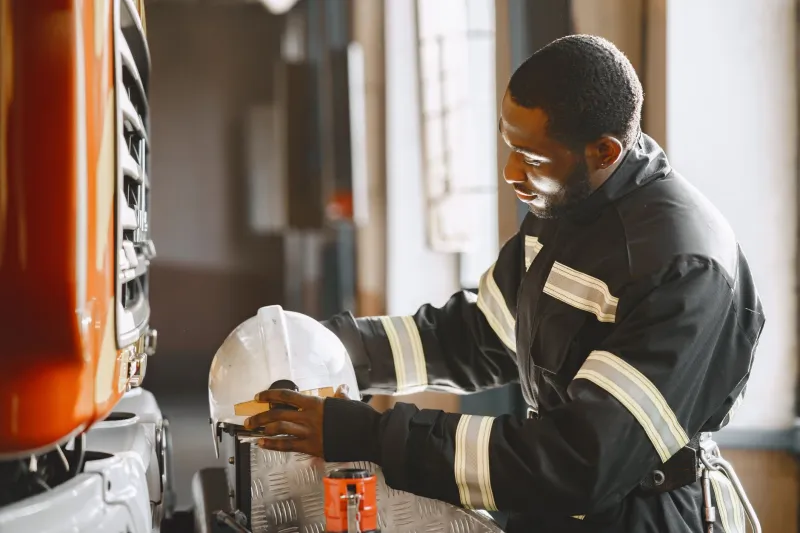
Emergency response is, by definition, a discipline that operates without warning. When a structure fire ignites, a hazmat spill occurs, or a mass casualty event unfolds, the men and women responding do not have the luxury of placing a supply order. Their equipment is either on hand and ready, or it is not — and in that moment, "not" is not an acceptable answer.
The COVID-19 pandemic exposed with brutal clarity how fragile PPE supply chains can be, and how devastating the consequences are when first responder agencies lack adequate protective equipment. Departments that had maintained robust inventories were better positioned to protect their personnel. Those that had allowed stockpiles to deplete, or had never built them in the first place, faced agonizing choices about resource allocation and personnel exposure.
This guide is designed to help fire departments, EMS agencies, emergency management offices, and allied response organizations build and maintain a PPE inventory that is genuinely ready when the situation demands it.
Regulatory Baseline: What the Standards Require
Before addressing inventory strategy, it is essential to understand the regulatory floor. Emergency responders in the United States operate under a layered framework of federal and state requirements that dictate minimum PPE specifications.
OSHA Standards apply to paid emergency service personnel and establish requirements for respiratory protection (29 CFR 1910.134), personal protective equipment generally (29 CFR 1910.132), and hazardous materials response (29 CFR 1910.120). Structural firefighting PPE must meet NFPA 1971 standards for protective ensembles. Respiratory protection for IDLH (immediately dangerous to life or health) environments requires NIOSH-certified self-contained breathing apparatus (SCBA).
NFPA Standards represent the primary technical framework for fire service PPE. Key standards include NFPA 1971 (structural and proximity firefighting), NFPA 1951 (technical rescue), NFPA 1992 (liquid splash protection), and NFPA 1994 (chemical and biological terrorism incidents). EMS-specific PPE requirements are addressed in NFPA 1999, which governs single-use and reusable protective clothing for emergency medical operations.
State regulations vary and may impose additional requirements. Agencies should maintain current familiarity with their state OSHA plan requirements, particularly in states that operate their own OSHA programs rather than deferring to the federal standard.
Compliance with these frameworks is not optional — it is the legal and operational foundation on which everything else is built.
Core Inventory Categories for First Responder Agencies
A well-structured emergency PPE inventory spans several distinct operational categories. The following framework provides a starting point; agencies should adjust quantities and specifications based on personnel count, response profile, and local hazard assessments.
Respiratory Protection
- NIOSH-certified SCBA units with spare cylinders (minimum two cylinders per unit)
- NIOSH-approved N95 respirators (minimum 30-day supply per personnel)
- P100 half-mask respirators for particulate hazards
- Powered air-purifying respirators (PAPRs) for extended operations
- Spare SCBA face pieces and regulator components
- Fit-testing records and scheduled fit-test calendar
Structural Firefighting Ensemble
- NFPA 1971-compliant turnout coat and pants (minimum one primary set per firefighter, one backup set per three personnel)
- Structural firefighting gloves
- NFPA-compliant hoods, helmets, and boots
- PASS (personal alert safety system) devices
EMS and Medical Response
- Nitrile examination gloves (multiple sizes, minimum 90-day supply)
- Face shields and safety goggles
- NFPA 1999-compliant single-use protective garments
- Fluid-resistant gowns
- N95 and surgical masks
- Shoe covers and head covers
Hazmat and Decontamination
- Level A and Level B chemical protective suits (quantity based on hazmat team size)
- Chemical-resistant gloves (inner and outer layers)
- Chemical splash goggles
- Decontamination supplies and portable shower equipment
Universal Items
- High-visibility vests (ANSI Class 2 and Class 3)
- Hearing protection
- Eye protection (safety glasses, goggles)
- Cut-resistant gloves for rescue operations
Shelf-Life Management: The Inventory Problem No One Talks About
Maintaining a stockpile is only half the challenge. Managing expiration dates, degradation timelines, and rotation schedules is equally critical — and frequently neglected.
N95 respirators have a manufacturer-recommended shelf life of five years under proper storage conditions (cool, dry, away from UV exposure). SCBA cylinders require hydrostatic testing on a scheduled basis. Turnout gear degrades with UV exposure, laundering, and heat cycling, and NFPA 1851 recommends retirement of structural firefighting ensembles after ten years of service regardless of apparent condition. Chemical protective suits have specific storage and expiration requirements that vary by manufacturer and material.
Agencies should maintain a digital inventory management system that tracks purchase dates, expiration dates, inspection schedules, and maintenance records for all PPE. A first-in, first-out rotation protocol ensures that older stock is deployed before newer inventory. Quarterly physical audits should verify that quantities match records and that no expired or damaged equipment remains in service.
Lessons Integrated From the Pandemic Era
The COVID-19 pandemic generated several durable lessons for emergency responder PPE readiness that remain directly applicable today.
Single-source dependency is a vulnerability. Agencies that relied on a single supplier or a narrow supply chain experienced acute shortages when global demand surged. Maintaining relationships with multiple certified suppliers — and understanding each supplier's sourcing and manufacturing base — reduces this exposure significantly.
Domestic sourcing offers resilience advantages. Products manufactured within the United States are less susceptible to international shipping disruptions and import delays. While domestic-sourced PPE may carry a modest price premium, the supply chain reliability it provides has demonstrated value in crisis conditions.
Surge capacity planning is essential. Baseline inventory serves routine operations. Surge capacity — additional stockpiles designated for mass casualty or extended emergency operations — must be planned and funded separately. Many agencies discovered during the pandemic that their routine supply was rapidly consumed and no surge reserve existed.
Counterfeit product risk is real. Emergency procurement during shortages creates vulnerability to substandard or fraudulent products. Agencies should establish pre-vetted supplier relationships before crises occur, enabling rapid procurement from trusted sources rather than unknown vendors under pressure.
First Responder PPE Readiness Checklist
The following checklist is designed for quarterly review by agency supply officers and emergency management coordinators.
Inventory Verification
- All PPE quantities confirmed against inventory records
- No expired items present in active inventory
- Damaged or worn equipment identified and removed from service
- Replacement orders placed for depleted or expired items
Certification and Compliance
- All respiratory protection meets current NIOSH certification
- Structural firefighting gear meets NFPA 1971 (current edition)
- EMS protective clothing meets NFPA 1999 requirements
- Fit testing current for all personnel using tight-fitting respirators
Storage Conditions
- Storage area temperature and humidity within manufacturer specifications
- PPE stored away from UV exposure, chemical vapors, and heat sources
- Turnout gear stored hanging, not compressed or folded
Supplier Relationships
- Primary supplier contact information current
- At least one alternate supplier identified for each major category
- Emergency procurement protocol documented and accessible
Training and Fit
- All personnel trained on donning and doffing procedures
- New personnel fitted and issued equipment within 30 days of hire
- Training records current and accessible
Partnering With a Supplier Who Understands the Stakes
For first responder agencies, the relationship with a PPE supplier is not a transactional one. It requires a partner who understands regulatory requirements, can respond rapidly to urgent needs, and maintains the inventory depth to support surge demands without compromising quality.
First Call PPE maintains a dedicated inventory of first responder-grade equipment across respiratory, structural, EMS, and hazmat categories. Our team is available to assist agencies in conducting inventory assessments, identifying compliance gaps, and building procurement plans that balance operational readiness with budget realities.
The time to build your emergency PPE inventory is before the emergency begins. We are here to help ensure that when the first call comes in, your team is equipped to answer it.